






Today we are wrapping up our conversation about the 5 senses. If you missed the previous posts, check them out now! Yes, we are talking about taste—it is normally our favorite and most enjoyable sense, but it is also the one we often take for granted!
If you really think about it, and if you ask your child to really think about it, the sense of taste is truly amazing. Why do foods taste different? Why doesn't everything taste like a blade of grass or a piece of cardboard? Does taste serve any purpose in the big scheme of our overall health, or is it simply a wonderful perk?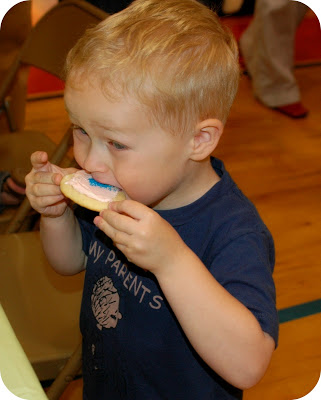
Our mouths are actually made up of almost 10,000 taste buds—on our tongues and all over the inside of our mouths. Although taste is the weakest of our 5 senses, it is amazing to think that as saliva breaks down foods, the receptor cells (in our taste buds) are sending all kinds of messages to the brain explaining the flavors exploding in our mouths. If it weren't for taste buds, we would not be able to enjoy eating at all. Although your child may not enjoy eating broccoli or salmon at this stage in the game, remind him that if it weren't for taste buds, a cookie and meatloaf would be interchangeable.Our amazing taste buds tell us four things: sweet, salty, sour, and bitter. These sensory areas are located at different places on the tongue and mouth.
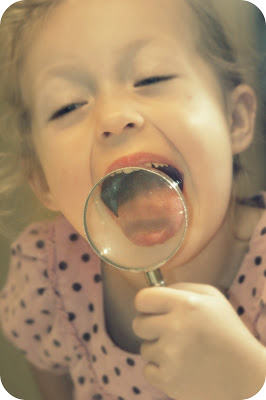
Another amazing thing about taste buds is that everyone has a different sense of taste, and our taste—likes and dislikes, actually change as we get older. This is why adults are able to eat foods that a baby would never eat. Babies have many more taste buds than adults and as we grow they become less sensitive. Our unique sense of taste shows an awesome creativity; we are born loving sugars which naturally promote energy and growth. We are also born disliking bitter tastes which protects us from eating poisons. Isn't that mind-boggling? I wonder how many other protective features in my body I take for granted.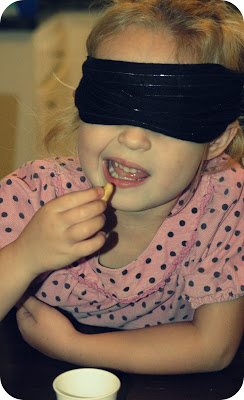 What can we do to share this amazing sense with our little ones? Start by observation. If you still haven't purchased a magnifying glass, you should add it to your wish list! If you have a magnifying glass around, pull it out and let your child take a closer look at your amazing tongue and mouth. Have her describe what she is seeing. You might want to use mouthwash before this “fun” activity! If you don't have a magnifying glass, head to the bathroom and check out your magnificent mouths in the mirror together. What do you see? Describe the bumps (buds), the shapes, and the colors in detail.When you are through staring at each other's taste buds, take a minute to talk about your favorite food combinations. Warm chocolate chip cookies with cold milk? Gooey pizza and a fizzy drink? Salty chips or a crunchy apple? See if you can get those saliva glands to start working!
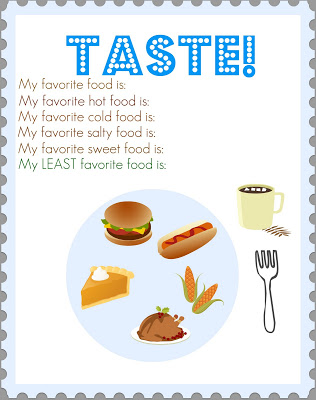
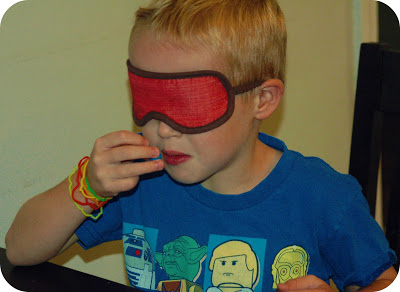 There are many different activities that you can use to experiment with your own “buds” or have a taste test at home. One suggestion is to pop some popcorn, divide it into several small bowls or cups and season them differently. Try using salt, sugar, cheese, garlic, or anything else you have in your spice rack to sprinkle on the popcorn. Let your child try to identify the flavors and see what they like or dislike about it.Next, prepare a mini-feast of sample snacks ranging from sweet and salty to bitter and spicy to downright grody. Have your child test the foods, then describe how each food tastes. Also talk about food textures. Record (or have him write) his reaction along with a drawing of the sampled food. If your child is older, you may want to blindfold him or her!Eating the Alphabet by Lois Ehlert is a great book about taste if you want to read more with your child.After you have finished your sampler platter, print this page for your All About Me book to record your child's memories! Find it here.
  **More Mud: Talking about taste is a great reminder of the intricacies of our created human bodies. A great passage for further review is Psalm 139:13.
For you created my inmost being;you knit me together in my mother’s womb. I praise you because I am fearfully and wonderfully made;your works are wonderful,I know that full well.
Finally, if you are looking for a way to record a funny story, a hilarious quote, or a memorable moment with your child, here is a page for you to print and add to your child's All About Me book! Someday he might appreciate reading about the time he decorated the house with Desitin, or the time she was convinced flying unicorns were first in line for the ramp of Noah's ark.